By: David Fouse
Anthropic’s latest Economic Index shows a fundamental shift in how people are interacting with AI. Directive “automation” interactions have surged from twenty-seven percent to thirty-nine percent in the last eight months, overtaking augmentation for the first time.
Translation: People aren’t just collaborating with AI anymore. They’re delegating complete tasks to it.
“High-adoption users are overwhelmingly using AI for augmentation, working iteratively with AI while maintaining control.”
Forty percent of U.S. employees now use AI at work—double the rate from 2023. But adoption is highly uneven, and usage patterns are starting to reveal important distinctions. For example, California leads the U.S. with twenty-five percent of usage, but on a per capita basis, D.C. takes the top spot. AI use is concentrated in specific pockets where knowledge work thrives, and how it’s used reflects local economies—in Colorado, it’s for travel planning. In D.C., it’s for document editing and career advice.
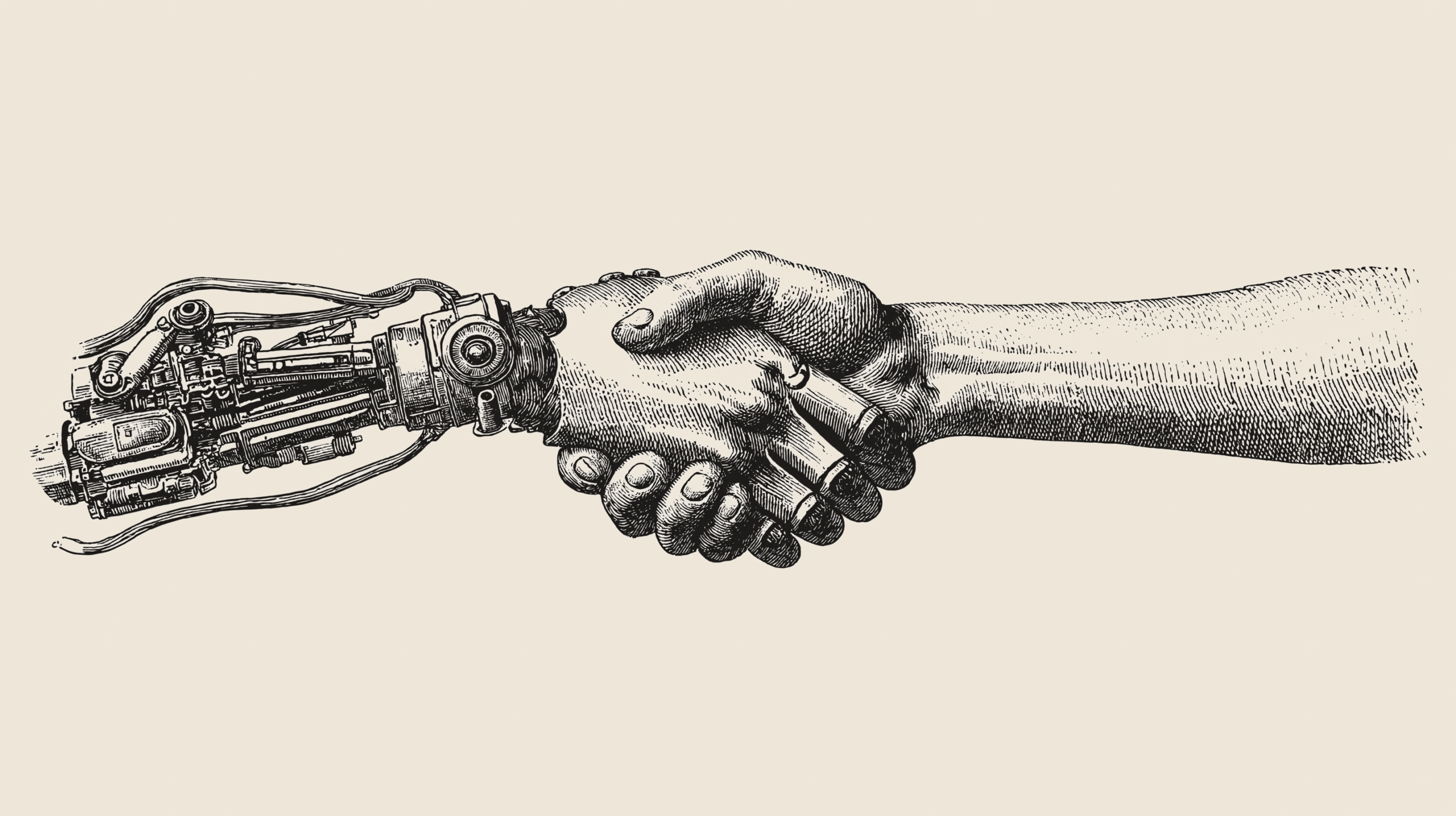
AI adoption is peaking in mid-salary analytical roles, jobs where AI offers both efficiency gains and fundamental shifts in how work is getting done. And, the workers using AI most extensively aren’t the ones automating the most; it’s the ones augmenting, collaborating more deeply with the technology.
High-adoption users are overwhelmingly using AI for augmentation, working iteratively with AI while maintaining control, while low-adoption users tend to jump straight to automation for delegating tasks.
The Efficiency Paradox
Organizations have been conditioned to expect time and cost savings from AI. The business case to date has been predominantly built around efficiency: use AI to do more with less, move faster, scale operations, and reduce staff. And for many tasks, that’s what AI delivers.
But what the Index suggests is that organizations with a high degree of AI engagement may actually find it requires more time, not less.
In strategic communication areas like brand, video, and content development, areas where word choice, historic context, and audience subtleties matter, the greatest value drivers aren’t scale and speed, but thoroughness and nuance. In this way, AI is a tool to iterate, explore angles, and test framings, all while staying in the loop because there are things that cannot be handed off. For these users, the greatest value is augmentation.
This, no doubt, will create organizational tension. If AI doesn’t make your best people faster, what’s the point? If your best people are spending more time augmenting with AI to do their jobs better, then how do you measure ROI?
Takeaways for Communicators
For those in the communication industry, it’s important to recognize a balance between efficiency and effectiveness, not automating reflexively just because we can.
Those tasked with an organization’s communication strategy may feel pressure to push automation. AI can be a productivity unlock, enabling teams to do more, faster, with less. But the data suggests that high adoption users are skilled professionals who require more time in AI collaboration. It’s not just the efficiency play that produces the greatest advantage.
This can create friction within an organization’s leadership. The frameworks often used to evaluate AI investment—time saved, headcount reduction, tasks automated—don’t capture the value of better judgment, more nuanced messaging, or stronger strategic positioning. A communicator who spends three hours collaborating with AI to refine a critical message isn’t less productive than one who automates a dozen social posts in thirty minutes. They’re doing different work with different stakes.
The challenge is that most organizations don’t yet have a way to measure this, in part because we’re only now beginning to understand how people are actually engaging AI in practice. Senior leadership wants to show progress, see efficiency gains, and justify AI spend with clear ROI. But if your senior communicators are using AI to think more deeply rather than move faster, the value shows up in outcomes that are harder to quantify: a crisis managed, a narrative that lands, a reputation that holds.
Organizations will need to make a choice. They can optimize for speed and scale, pushing automation wherever possible. Or they can recognize that some work gets better, not faster, with AI and build space for that kind of collaboration. Both have value. But conflating them, or measuring them the same way, misses what makes each approach work.
Communication that builds trust, navigates message complexity, and positions a company well in dynamic, changing markets requires strategic judgement and contextual relationship. These can’t be delegated without losing effectiveness.
Anthropic’s research shows that as people engage with AI, it’s creating a more nuanced divide in how knowledge work gets done. The challenge now is knowing where to automate and where to augment, and how to measure the value of both.